

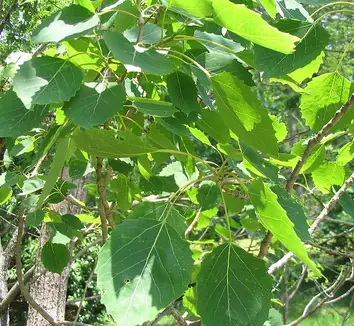
Photo by US National Park Service
This work has been released into the public domain by its author.
Populus fremontii
Also Known As
- Alamo Cottonwood
- Fremont Cottonwood
Plant type
tree
size
- H: 60'-100'
- W: 30'-50'
planting zones
- 4a-9b
Populus fremontii plant details
Populus fremontii is a broadleaf deciduous tree with green foliage. Attracts birds. Grows well with sun and even moisture - regular water.
CHARACTERISTICS OF Populus fremontii
- Plant type: tree
- Plant family: salicaceae
- Foliage: deciduous green
- Mature size: 30 FT - 50 FT - wide, 60 FT - 100 FT - tall
- Uses: shade tree, windbreak
GROWING CONDITIONS for Populus fremontii
- USDA Zones: 4a - 9b
- Sun exposure: sun
- Watering frequency: even moisture - regular
Nursery contributed plant descriptions


By: Forestfarm
Garden photo gallery of Populus fremontii

By: US National Park Service
This work has been released into the public domain by its author.
View Original Photo
Gardening facts about Populus fremontii plant
How to Grow Populus fremontii
Sun Exposure
- sun
Water Needs
- even moisture - regular
Features
Foliage Color
- green
Wildlife
- birds
Foliage Season
- deciduous
Landscape groups by tags
See other plant types of Populus for your garden
aka Narrowleaf Cottonwood, Willow-leaved Poplar
Plant Type
Tree
Zones
3a-9b
Size
Height: 40'-60'
Width: 40'
- sun
- regular

aka Quakies, Quaking Aspen, Trembling Aspen
Plant Type
Tree
Zones
2a-9b
Size
Height: 30'-50'
Width: 15'-30'
- sun
- even moisture - regular

aka Populus balsamifera ssp. trichocarpa, Populus balsamifera subsp. trichocarpa, Black Cottonwood, California Poplar, Cottonwood, Western Balsam Poplar
Plant Type
Tree
Zones
5a-9b
Size
Height: 60'-80'
Width: 10'-20'
- sun - shade
- even moisture - regular

aka Populus grandentata, Populus grandidentatum, American Aspen, Big Tooth Aspen, White Poplar
Plant Type
Tree
Zones
3a-8b
Size
Height: 40'-70'
Width: 20'-40'
- sun
- regular
aka Balm Of Gilead, Balm Poplar, Balsam Poplar, Black Cottonwood, Black Poplar
Plant Type
Tree
Zones
2a-8b
Size
Height: 20'-60'
Width: 10'-40'
- sun
- even moisture - regular

Mailing List
Sign Up for updates on new plant arrivals and dealsQuick Links
- Plant Index
- Gift Cards
- Return Policy
- Nurseries
Ordering Plants
- Shipping
- Plant Care Instructions
- Landscape Orders
Company info
- About Us
- Terms of Use
- Privacy Policy
© 2010—2026 Plant Lust, LLC All Rights Reserved