

Salix scouleriana
Also Known As
- Mountain Pussy Willow
- Pacific Mountain Willow
Plant type
tree, shrub, aquatic
size
- H: 6'-50'
- W: 6'-50'
planting zones
- 5a-9b
Salix scouleriana plant details
Salix scouleriana is a broadleaf deciduous aquatic shrub or tree with green foliage. In spring yellow flowers emerge. Attracts bees, beneficial insects, birds, butterflies and hummingbirds making it an excellent addition to pollinator gardens. Grows well with sun - dappled shade and even moisture - low water. Drought tolerant once established. Adapts to various soil conditions. Does well in acidic, average, clay and rich soil. A good option if you're seeking something verticillium wilt resistant.
CHARACTERISTICS OF Salix scouleriana
- Plant type: aquatic shrub or tree
- Plant family: salicaceae
- Foliage: deciduous green
- Mature size: 6 FT - 50 FT - wide, 6 FT - 50 FT - tall
- Flowers: yellow blooms in spring
- Uses: cutting garden, hedge, shade tree
GROWING CONDITIONS for Salix scouleriana
- USDA Zones: 5a - 9b
- Sun exposure: sun - dappled shade
- Watering frequency: even moisture - low
- Resistant to: verticillium wilt
- Soil needs: acidic, average, clay and rich
Nursery contributed plant descriptions


By: Forestfarm
Gardening facts about Salix scouleriana plant
How to Grow Salix scouleriana
Sun Exposure
- sun - dappled shade
Water Needs
- even moisture - drought tolerant
Soil Needs
- clay
- acidic
- adaptable
- average
- rich
Special Situation
- verticillium wilt resistant
Features
Foliage Color
- green
Flower Color
- yellow
Wildlife
- beneficial insects
- birds
- bees
- butterflies
- hummingbirds
Flower Season
- spring
Foliage Season
- deciduous
Landscape groups by tags
See other plant types of Salix for your garden
aka Salix alba 'Chermesina', Coral Bark Willow, Redstem Willow, White Willow
Plant Type
Tree, Shrub
Zones
4a-9b
Size
Height: 15'-20'
Width: 5'-15'
- sun - mostly shade
- even moisture - regular

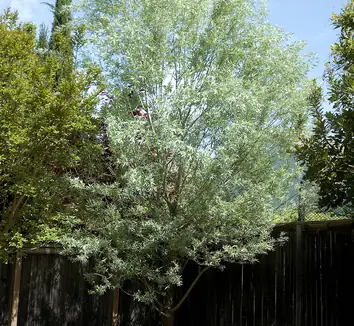
aka Salix alba 'Argentea', Salix var. alba 'Sericea', Siberian White, Silver Leaved Willow, Silver Willow, White Willow, WILLOW
Plant Type
Tree
Zones
4a-9b
Size
Height: 15'-60'
Width: 15'-60'
- sun - dappled shade
- standing water - drought tolerant
aka Salix boydii, Salix x boydii, Willow
Plant Type
Shrub
Zones
4a-9b
Size
Height: 8"-15"
Width: 12"-24"
- sun - mostly sun
- even moisture - regular

aka Chinese Willow
Plant Type
Tree, Shrub
Zones
5a-9b
Size
Height: 8'-10'
Width: 8'-10'
- sun - mostly sun
- even moisture


Mailing List
Sign Up for updates on new plant arrivals and deals© 2010—2026 Plant Lust, LLC All Rights Reserved