

Peter's Honey Fig
Scientific Name: Ficus carica 'Peter's Honey'
Plant type
tree, fruit / vegetable
size
- H: 15'-25'
- W: 15'-25'
planting zones
- 7a-10b
Peter's Honey Fig plant details
Peter's Honey Fig is a moderate-growing broadleaf deciduous fruit / vegetable or tree with green foliage. In spring cream flowers emerge followed by green and yellow fruit. Features glossy texture. Attracts birds. Grows well with sun and regular - occasional water. Does well in average and well-drained soil. A good option if you're seeking something heat tolerant.
CHARACTERISTICS OF Peter's Honey Fig
- Plant type: fruit / vegetable or tree
- Plant family: moraceae
- Foliage: deciduous green
- Mature size: 15 FT - 25 FT - wide, 15 FT - 25 FT - tall
- Flowers: cream blooms in spring
- Uses: big leaves, edible, tropical-looking
GROWING CONDITIONS for Peter's Honey Fig
- USDA Zones: 7a - 10b
- Sun exposure: sun
- Watering frequency: regular - occasional
- Resistant to: deer, heat
- Soil needs: average and well-drained
Nursery contributed plant descriptions


By: Garden World

By: Almost Eden

By: Greer Gardens Inc.
Gardening facts about Peter's Honey Fig plant
How to Grow Peter's Honey Fig
Sun Exposure
- sun
Water Needs
- regular - occasional
Soil Needs
- average
- well-drained
Special Situation
- heat tolerant
Features
Foliage Color
- green
Flower Color
- cream
Wildlife
- birds
- deer resistant
Fruit
- yellow
- green
Flower Season
- spring
Foliage Season
- deciduous
Texture
- glossy
Landscape groups by tags
See other plant types of Ficus for your garden

aka Benjamin's Fig, Ficus Tree, Weeping Fig
Plant Type
Tree
Zones
9b-12
Size
Height: 8'-100'
Width: 6'-80'
- sun - mostly shade
- even moisture - occasional

aka Dinner Plate Fig, Highland Breadfruit
Plant Type
Tree
Zones
9b-11
Size
Height: 12'-20'
Width: 15'-30'
- sun - mostly shade
- even moisture - regular
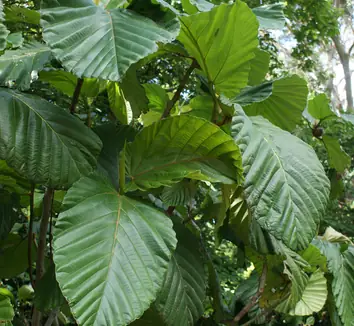
aka Dwarf Green Filigree Fig Tree
Plant Type
Shrub
Zones
7b-11
Size
Height: 3'
Width: 3'
- sun - mostly shade
- regular - drought tolerant

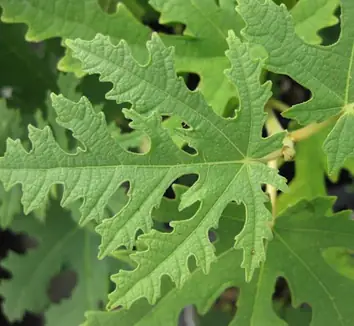
aka Green Filigree Fig Tree
Plant Type
Tree
Zones
7a-11
Size
Height: 15'-20'
Width: 10'-15'
- sun - mostly shade
- regular - drought tolerant
Mailing List
Sign Up for updates on new plant arrivals and deals© 2010—2026 Plant Lust, LLC All Rights Reserved